We want to create the biggest online listing collection of Igloos around the world!
Please add you short stay igloo rentals now.
For centuries, Igloos have been build in areas with artic conditions. Sleeping in a ' ice house ' is for most of us a dream. Look no further, because we can make this dream come true. We collect the most stunning Igloo hotel's from around the world !
10 Igloos found
List your igloo on this page?
Add linkA night in an igloo: snow shelters, ice villages and glass domes under the aurora
Few places to sleep are as quiet as an igloo. Snow swallows sound, so once the door is closed the wind fades and all you hear is your own breathing. In a glass igloo the silence is the same, but the ceiling is the sky, and on a lucky night green bands of the northern lights ripple right above your pillow. This page gathers igloo stays from around the world, and this guide explains the differences, what a night really feels like, and how to prepare.
Where the igloo comes from
The igloo is part of the heritage of the Inuit of the Arctic, in what is now northern Canada and Greenland. In Inuktitut the word iglu simply means house, and it can refer to any home, not only one made of snow. The domed snow house was built from blocks cut with a knife from firm, wind-packed snow, laid in a rising spiral so that the dome supported itself. It served above all as a winter or travelling shelter. Snow is full of trapped air, which makes it a surprisingly good insulator: body heat and a small lamp could keep the inside far warmer than the air outside.
Other snowy cultures have their own traditions. In Japan, the kamakura is a snow hut built in winter in the snowy north, linked to a festival in which children sit inside, offer rice cakes and sweet drinks to visitors and pray to the water god. The kamakura festival of Yokote in Akita Prefecture is the best known. In the Alps and in Scandinavia, people have long dug snow caves as emergency shelters in the mountains.
Four very different igloo experiences
Traditional snow igloos. Built by hand from snow blocks or from packed snow, these are the real thing. You sleep on a platform of snow covered with insulating mats and reindeer or sheep skins, inside a thick expedition sleeping bag. Some trips let you help build your own igloo before sleeping in it, which is hard work and very satisfying. You find these in Arctic Canada, Greenland, Lapland, the Alps and in snowy parts of North America.
Snow hotels and igloo villages. Every winter, in places such as Finnish, Swedish and Norwegian Lapland and in several Alpine ski areas, teams build whole villages or hotels from snow and ice, often with ice sculptures, carved rooms, an ice bar and sometimes a chapel. They melt away in spring and are rebuilt the next season, so each year looks a little different. Usually you spend the evening in a heated building nearby and only go to your snow room to sleep.
Glass igloos and aurora domes. These are heated cabins with a glass or clear roof, built mainly for watching the northern lights from bed. They are strongly associated with Finnish Lapland but also appear in northern Norway, Sweden, Iceland, Canada and Alaska. Inside, they are like a warm hotel room, often with a private bathroom.
Igloo-style domes elsewhere. Some glamping sites use the name igloo for insulated geodesic domes or pods, including in places without much snow. They can be lovely, but they are a different product from a snow igloo, so read the description carefully.
What a night in snow really feels like
This is the question everyone asks: is it cold? Inside a well-made snow igloo or snow hotel room, the temperature stays around or a little below freezing, whatever it is doing outside. That is warmer than the Arctic night, but still cold.
The secret is the sleeping system. Hosts normally provide an expedition-grade sleeping bag, an insulated mattress and skins or blankets underneath. Sleep in dry thermal base layers, a hat and wool socks, and not in the clothes you wore all day, which hold moisture. Put tomorrow's clothes and your phone inside the bag so they stay warm and the battery does not drain. There is no bathroom in the snow itself: toilets and showers are in a heated building a short walk away. Many snow hotels include a warm room for your luggage and a sauna in the morning, which after a night on ice feels wonderful.
Glass igloos are a different story. They are heated and comfortable, and the main challenge is staying awake for the aurora. Ask whether the glass is heated or treated to keep it clear of frost and snow, because a white roof means no sky.
Picking the right igloo for you
- If the adventure matters most, choose a handmade snow igloo or an overnight igloo-building trip with a guide.
- If you love art and design, a snow hotel with sculpted suites is the highlight.
- If the northern lights are the goal, a glass igloo lets you watch in comfort, but also book a guided aurora trip away from lights, as clouds can sit over one spot all night.
- If you travel with young children or older relatives, many guests combine one night in snow with other nights in a warm cabin.
Questions to ask before you book
- Is this a snow igloo, an ice hotel room, a glass igloo or a dome with an igloo name?
- What is the usual temperature inside, and is any heating provided?
- Which sleeping bag and mattress are supplied, and is warm outerwear available to borrow?
- Where are the toilets and showers, and are they open all night?
- Is there a heated room for luggage and changing?
- For glass igloos: can I see the sky from the bed, and is the roof kept clear of frost and snow?
- Is there an aurora alarm or wake-up service?
- What are the minimum ages or health requirements for sleeping in snow?
- What happens if a warm spell damages the snow buildings?
Timing your trip
Snow igloos and snow hotels only exist in deep winter. In the Arctic and the Alps that typically means from around December until the snow softens in spring. The northern lights need darkness, so they cannot be seen in the bright nights of the Arctic summer; the aurora season in the far north runs roughly from late summer or autumn to early spring, with clear, dark nights giving the best chances. Around the winter solstice the sun barely rises in Lapland, which is magical but short on daylight.
In the Southern Hemisphere the seasons are reversed. Snow igloo experiences are rare there, but the southern lights, the aurora australis, can sometimes be seen from southern New Zealand, Tasmania and the far south of South America during the southern winter. In Japan, kamakura season falls in the heart of winter.
Staying safe in the cold
- Dress in layers: a thermal base, a warm fleece or wool middle layer, and a windproof outer layer. Protect your face, fingers and toes, where frostbite starts.
- Keep dry. Sweat and melted snow cool you fast, so take off a layer before you start working hard.
- Eat a proper evening meal and drink a warm, non-alcoholic drink before bed. Alcohol makes you feel warm but helps you lose heat.
- Never use candles, stoves or heaters in a snow shelter unless the host says it is safe and there is proper ventilation. A blocked air hole can be dangerous.
- In the mountains, respect avalanche warnings, and never build or dig a snow shelter on your own without training.
- If you feel very cold, confused or cannot stop shivering, go to the warm building and tell the staff.
Finding your igloo on this page
The igloos below are grouped by continent, country and region, so you can compare a snow village in the Alps with a glass igloo in Lapland or a guided igloo night in Canada. Each link goes straight to the owner's own website, where you can check availability and book directly. Do you run a snow igloo, ice hotel, igloo village or glass igloo? Add your link for free with the button above, and help travellers find their night under snow or stars.
Looking for an awesome place to spend your holiday?
Or want to advertise your houseboat, lighthouse, treehouse or glamping?
Check these links below!
Blog posts
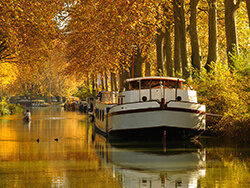
Barge river cruises in France
River cruises in France are the next luxury holiday destination. Cruise your private barge with cook down the French rivers.
Read more..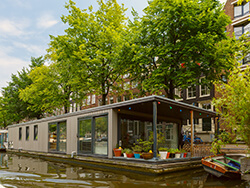
Rent a houseboat in Amsterdam
A houseboat is a great place to stay when visiting Amsterdam. Stay close to the city center but have a lot of private space.
Read more..